

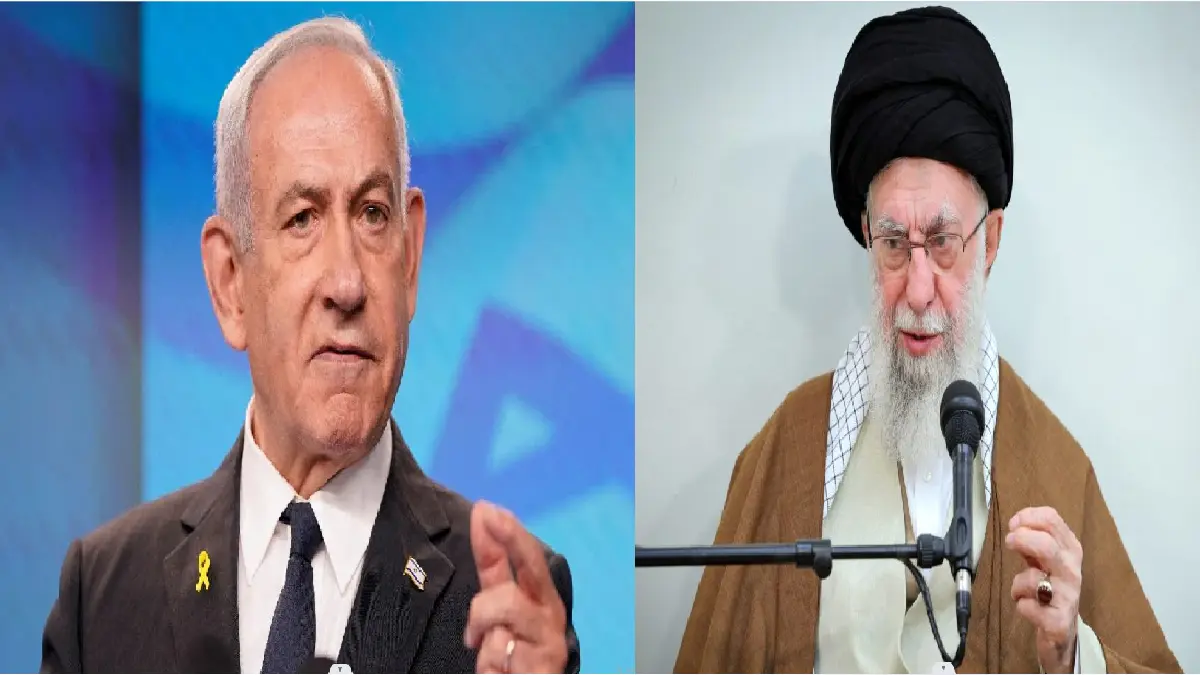
Netanyahu Demands Iran Abandon All Enriched Uranium as U.S.-Iran nuclear talks resume in Switzerland, setting a hard-line tone for negotiations. On Sunday, the Israeli prime minister made it crystal clear what any nuclear deal between the United States and Iran must include—and it’s a lot more than just slowing down uranium enrichment. Speaking to the Conference of Presidents of Major American Jewish Organizations in Jerusalem, Netanyahu laid out conditions that would essentially dismantle Iran’s entire nuclear infrastructure.
“The first is that all enriched material has to leave Iran,” Netanyahu said. “The second is that there should be no enrichment capability; dismantle the equipment and the infrastructure that allows you to enrich in the first place.”
That’s not a negotiation. That’s a demand for total nuclear dismantlement. And it comes at a critical moment: Iran’s Foreign Minister Abbas Araghchi headed to Switzerland on Sunday for the second round of renewed nuclear talks with the United States this week.
What’s Actually at Stake: Why Netanyahu Demands Iran Abandon All Enriched Uranium
Here’s what makes this so tense. Iran currently has a stockpile of more than 400 kilograms of uranium enriched to 60% purity—just one short step away from the 90% level considered weapons-grade.
Nuclear watchdog inspectors last saw that stockpile in June 2025, right before Israeli and U.S. strikes hit Iranian nuclear sites during a 12-day war last summer. Since those strikes, there’s been considerable uncertainty about what happened to that uranium. Did it get destroyed? Moved? Hidden? Nobody knows for sure—and that’s exactly what worries Netanyahu.
He also called for sustained, no-notice inspections of Iran’s nuclear program.
“There has to be real inspections, substantive inspections, no lead-time inspections, but effective inspections for all of the above,” Netanyahu said. “These are the elements that we believe are important for the achievement of the deal.”
The third demand? Resolving Iran’s ballistic missile program—an issue Tehran has insisted should not be part of nuclear negotiations.
Other Related News: Trump Iran Talks: Trump Claims Iran Is ‘Afraid’ to Admit Negotiations; Iran Denies
The Trump Factor
Netanyahu said he laid out these same conditions during his recent meeting with U.S. President Donald Trump earlier this month in Washington. According to a CBS report, Trump told Netanyahu he would back Israeli strikes on Iran if diplomatic talks fail.
Trump’s administration has deployed a second aircraft carrier to the Middle East and is preparing for a potential long-term military operation if diplomacy does not succeed.
Meanwhile, U.S. Secretary of State Marco Rubio said Sunday that Washington prefers a negotiated settlement but expressed skepticism about whether Iran will agree to meaningful terms.
“Steve Witkoff and Jared Kushner will be traveling to have important meetings, and we’ll see how that turns out,” Rubio said, referring to Trump’s special envoy and senior adviser involved in the negotiations.
Iran’s Position
Iran’s not exactly rolling over.
Deputy Foreign Minister Majid Takht-Ravanchi told the BBC on Sunday that the ball is “in America’s court to prove that they want to do a deal.”
He signaled that Iran might be willing to dilute or downblend its highly enriched uranium—essentially mixing it with other substances to reduce the enrichment level—but only if Washington lifts the crippling economic sanctions that have devastated Iran’s economy.
Iran’s head of the Atomic Energy Organization, Mohammad Eslami, said any compromise on the 60% enriched uranium “depends on whether all sanctions would be lifted in return.”
But here’s the sticking point: Iran has repeatedly insisted it will not accept a complete ban on uranium enrichment inside the country. Tehran argues that enrichment for peaceful purposes, such as nuclear energy, is its sovereign right.
Washington and Israel view any enrichment capability as a potential pathway to nuclear weapons, even though Iran has consistently denied seeking such weapons.
Why This Matters Now
The nuclear talks collapsed last year when Israel launched an unprecedented bombing campaign against Iran in June 2025, triggering a 12-day war between the two nations.
Tehran and Washington restarted negotiations in Muscat, Oman, on February 6, 2026—the first serious diplomatic attempt in months.
Iran is seeking sanctions relief amid severe economic strain. An Iranian Foreign Ministry official said Sunday that the country wants a nuclear agreement that delivers “economic benefits for both sides,” including potential deals in oil and gas fields, mining investments, and even aircraft purchases.
But Netanyahu’s demands would require Iran to give up its nuclear program entirely—not pause it, not limit it, but dismantle it. That would represent a major strategic and political shift for Tehran, which has invested decades and billions of dollars building its nuclear infrastructure.
What Happens Next
The second round of talks kicks off this week in Geneva. Araghchi is expected to meet with Swiss and Omani counterparts, as well as Rafael Grossi, head of the International Atomic Energy Agency (IAEA).
Iran’s Supreme Leader Ali Khamenei called for “resolve” in a televised address Monday, stating that “foreign powers have always sought to restore the previous situation,” referring to the era before the 1979 Islamic Revolution.
The question now is whether Washington can broker a deal that satisfies Israel’s demands while offering Iran sufficient economic relief to make a compromise politically viable in Tehran.
Netanyahu’s position remains firm: anything short of complete nuclear dismantlement is insufficient. As talks resume in Switzerland, the outcome may determine whether diplomacy prevails—or whether tensions escalate once again over Iran’s nuclear ambitions.
FAQ – Netanyahu Demands Iran Abandon All Enriched Uranium
1. What did Netanyahu demand regarding Iran’s nuclear program?
Israeli Prime Minister Benjamin Netanyahu demanded that Iran remove all enriched uranium, dismantle enrichment facilities, and end its nuclear infrastructure as part of any nuclear agreement.
2. Why is Netanyahu pushing for complete nuclear dismantlement?
Netanyahu argues that any enrichment capability could allow Iran to eventually develop nuclear weapons, which Israel views as a major security threat.
3. How much enriched uranium does Iran currently have?
Iran reportedly possesses over 400 kilograms of uranium enriched to about 60% purity, which is close to the 90% level considered weapons-grade.
4. What additional conditions did Netanyahu propose?
Netanyahu called for strict, no-notice international inspections and restrictions on Iran’s ballistic missile program as part of any future nuclear deal.
5. What is Iran’s stance on uranium enrichment?
Iran insists that uranium enrichment for peaceful nuclear energy is its sovereign right under international law and has rejected a complete ban.
6. What role is the United States playing in the negotiations?
The United States is engaging in nuclear talks with Iran through diplomatic channels, seeking limits on enrichment while offering possible sanctions relief.
7. Where are the latest nuclear negotiations taking place?
The latest round of talks is being held in Switzerland, with mediation support from international and regional partners.
Other Posts: Trump Warns Iran After Deadly Protest Crackdown
 Follow Us On Google News
  Follow Us On WhatsApp
Leave a Comment