

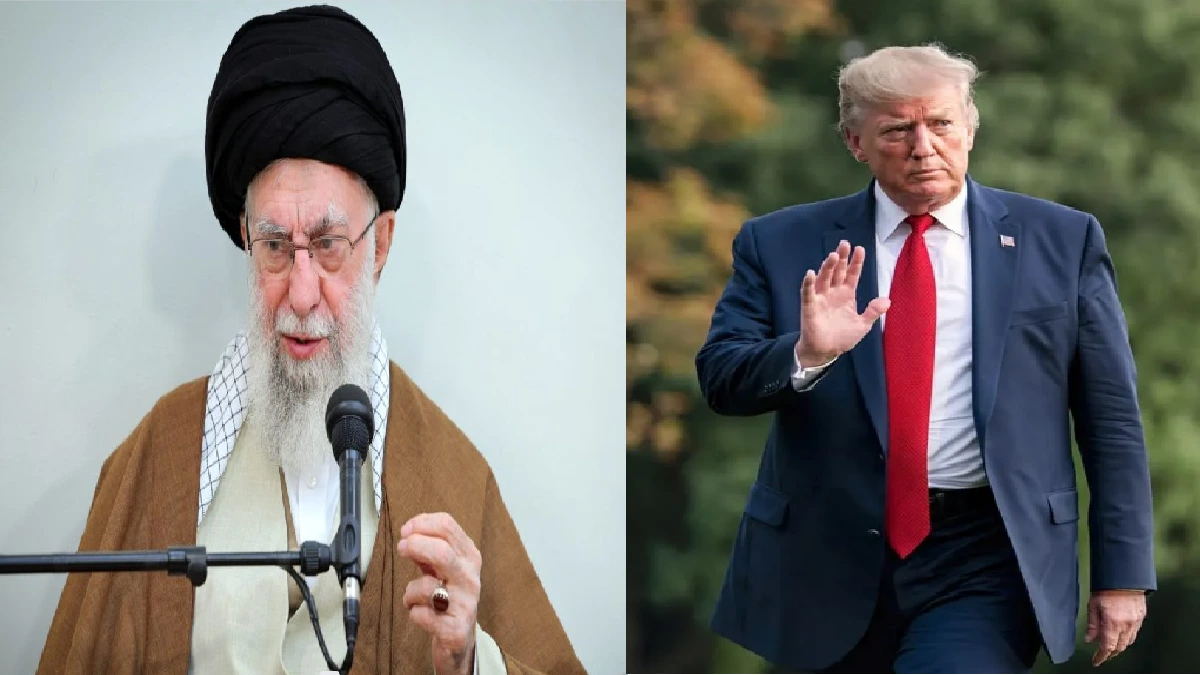
Trump indirect involvement in Iran nuclear talks took center stage as U.S. President Donald Trump confirmed he would participate “indirectly” in renewed negotiations set to begin in Geneva. Speaking to reporters aboard Air Force One while returning to the United States, Trump indicated that while he would not engage in direct face-to-face discussions with Iranian officials, he would remain closely informed and engaged as diplomacy resumes.
Importance of Trump indirect involvement in Iran nuclear talks
The talks, scheduled to begin in Geneva, will be conducted indirectly, meaning U.S. and Iranian officials will not meet directly but will communicate through intermediaries. The structure reflects longstanding tensions between the U.S. and Iran and an effort to sustain dialogue without immediate direct confrontation.
Background: Collapse of the 2015 Deal
Relations between the United States and Iran have remained strained since the collapse of the 2015 nuclear agreement, formally known as the Joint Comprehensive Plan of Action (JCPOA). Negotiations stalled after the agreement unraveled, and tensions escalated further following reported U.S. and Israeli strikes on Iranian nuclear facilities in 2025.
Diplomatic trust between the two countries has remained limited. Mediation efforts are being supported by regional actors, including Oman and Turkey.
On the U.S. side, senior figures including special envoy Steve Witkoff and Jared Kushner are expected to play roles in discussions covering nuclear limitations, sanctions relief, and regional security concerns.
Trump stated that Iran had learned from last year’s military strikes and suggested Tehran may wish to avoid further escalation if negotiations fail. He also criticized Iran’s negotiation approach, expressing hope that discussions in Geneva would yield progress.
Other Related Post: Trump Iran Talks: Trump Claims Iran Is ‘Afraid’ to Admit Negotiations; Iran Denies
Military Posture and Regional Signals
As diplomacy resumes, the United States has increased its military presence in the Middle East, including deploying an additional aircraft carrier group. U.S. officials have stated that preparations are in place for potential long-term contingencies should talks break down.
Iran, meanwhile, has reiterated its position that uranium enrichment is permitted under the Nuclear Non-Proliferation Treaty (NPT). Tehran maintains that its nuclear activities are for peaceful purposes and has demanded sanctions relief in exchange for any new limitations.
Abbas Araghchi said Iran is entering negotiations fully prepared but would not yield to external pressure or additional economic sanctions.
At the same time, Iran has conducted military drills in the Strait of Hormuz, a strategically vital waterway for global oil shipments. The Islamic Revolutionary Guard Corps has signaled readiness amid rising regional tensions.
Core Disputes and Diplomatic Stakes
The central dispute remains unchanged: Washington seeks strict verification measures and limits on uranium enrichment to prevent any pathway to nuclear weapons capability. Iran, in contrast, seeks sanctions relief and recognition of what it calls its sovereign nuclear rights.
Previous rounds of negotiations have faltered over enrichment levels, inspection mechanisms, and sequencing of sanctions relief.
If successful, the Geneva talks could ease regional tensions, stabilize global energy markets, and reduce the risk of military confrontation. However, failure could strengthen hardline positions on both sides and increase instability involving Israel and Gulf states.
Outlook for Geneva
Mediators from Oman and Turkey are assisting efforts to bridge the gap between the two governments. Any comprehensive agreement would require compromise on nuclear restrictions, phased sanctions relief, and mutually acceptable verification procedures.
Trump’s approach has combined diplomatic engagement with visible military deterrence. Whether this strategy will produce a breakthrough remains uncertain.
The Geneva meeting represents a significant moment in a long-running dispute that continues to shape regional security dynamics. The outcome could influence U.S.-Iran relations and broader Middle East stability in the months ahead.
FAQ – Trump Indirect Involvement in Iran Nuclear Talks
1. What did Trump say about the Iran nuclear talks?
Donald Trump said he would participate indirectly in the renewed Iran nuclear negotiations while staying closely informed about the discussions.
2. Where are the Iran nuclear talks taking place?
The negotiations are scheduled to take place in Geneva, with mediators helping facilitate communication between the United States and Iran.
3. Why are the talks being held indirectly?
Due to longstanding tensions between the U.S. and Iran, officials from both countries will communicate through intermediaries instead of meeting face-to-face.
4. What caused the collapse of the previous nuclear deal?
The 2015 nuclear agreement (JCPOA) collapsed after the United States withdrew from the deal, leading to rising tensions and stalled negotiations.
5. Who is helping mediate the negotiations?
Countries such as Oman and Turkey are assisting as mediators to help bridge the diplomatic gap between Washington and Tehran.
6. What are the main issues being discussed in the talks?
Key issues include limits on Iran’s uranium enrichment, nuclear inspections, sanctions relief, and broader regional security concerns.
7. Why are the Geneva talks important?
If successful, the talks could reduce Middle East tensions, stabilize global energy markets, and prevent further military escalation between the U.S. and Iran.
Other Post: Netanyahu Demands Iran Abandon All Enriched Uranium
 Follow Us On Google News
  Follow Us On WhatsApp
Leave a Comment