

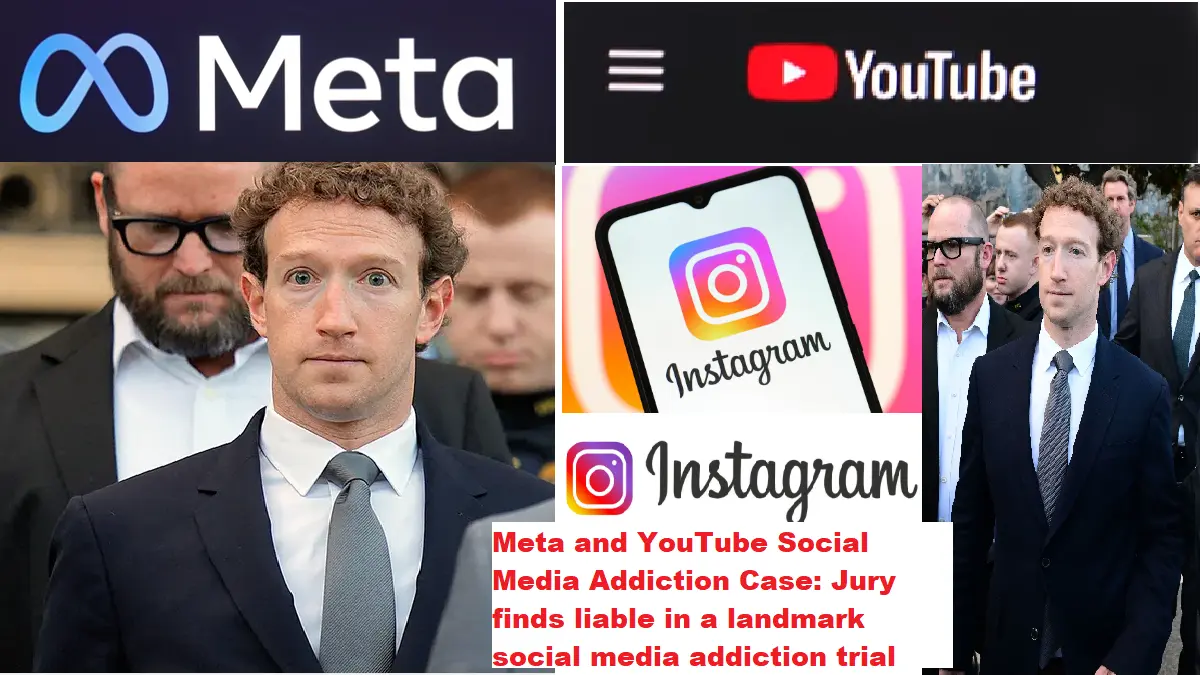
The Meta and YouTube social media addiction case has taken a historic turn after a Los Angeles jury ruled that Meta Platforms and YouTube are partly responsible for causing addiction and mental health harm to a young user. The March 25, 2026 verdict is being seen as a major turning point in how courts may treat social media platforms in the future.
What the Meta and YouTube Social Media Addiction Case Is About
The case centers on a young girl who began using YouTube at just six years old and later joined Instagram at age nine. According to court filings, prolonged exposure to platform features such as infinite scrolling, autoplay videos, and personalized algorithms led to compulsive usage.
Lawyers argued that this excessive engagement contributed to serious mental health challenges, including:
- Depression
- Anxiety
- Body image issues
They emphasized that these features are intentionally designed to maximize user retention and engagement.
Jury Verdict: Social Media Giants Held Liable
After weeks of hearings, the jury found both companies negligent for failing to provide adequate warnings about the risks associated with excessive platform use.
- Total damages awarded: $6 million
- Meta held responsible for approximately 70%
- YouTube liable for the remaining share
The jury concluded that platform design played a significant role in the harm caused, marking a rare legal stance against tech companies.
Other News: HBO Harry Potter Series Teaser: New Cast, Release Date, and Fan Reactions Explained
Why This Verdict Is a Turning Point
Legal experts are calling this a “bellwether case,” meaning it could influence the outcome of similar lawsuits nationwide.
Currently, more than 1,600 lawsuits have been filed against social media companies in the United States. Many involve families and schools claiming that excessive social media use has negatively impacted young users.
The case has also drawn comparisons to historic tobacco litigation, where companies were held accountable for addictive products.
Tech Companies Push Back Against the Decision
Both Meta Platforms and YouTube have denied the allegations and are expected to appeal the ruling.
In their defense, the companies highlighted existing safety measures such as:
- Screen time reminders
- Parental control features
- Content moderation tools
However, critics argue that these measures do not address the core design elements that encourage prolonged usage.
Growing Legal Pressure on Big Tech
The verdict comes amid increasing legal and regulatory scrutiny of major technology companies. Recent developments include:
- Multiple lawsuits from families and educational institutions
- Rising concerns over children’s digital safety
- Previous settlements involving large payouts related to child protection issues
This growing legal pressure suggests a shift toward holding platforms more accountable for user well-being.
What Changes Could Follow This Ruling?
If upheld, the ruling could lead to significant industry changes, including:
- Redesign of addictive features like infinite scroll and autoplay
- Clearer warnings about mental health risks
- Stronger protections for children and teenagers
- Introduction of stricter digital safety laws
Some policymakers are already considering new regulations aimed at limiting social media exposure for minors.
The Bigger Question: Is Social Media Safe for Young Users?
The case has reignited debate over whether tech companies should be held responsible for the psychological effects of their platforms.
Supporters of the verdict argue that companies must be accountable for designing systems that can foster addiction. Meanwhile, critics contend that mental health is influenced by a wide range of factors beyond social media alone.
What Happens Next?
Appeals are expected, and similar cases are already progressing through the legal system. This verdict could mark the beginning of a new era of accountability for Big Tech, potentially reshaping how social media platforms are designed and regulated.
Other Post: Joseph Duggar Arrested: Former Reality Star Faces Serious Child Abuse Allegations
FAQs
1. What did the jury decide in this case?
The jury ruled that Meta and YouTube were negligent and responsible for addiction-related harm, awarding approximately $6 million in damages.
2. Why is this case considered historic?
It is among the first major rulings to hold social media companies legally accountable for addiction and mental health impacts.
3. What features were identified as addictive?
Infinite scrolling, autoplay videos, and algorithm-driven content recommendations.
4. How did the companies respond?
Both companies denied responsibility and plan to appeal, citing existing safety features.
5. What could change after this verdict?
The ruling may lead to stricter regulations, platform redesigns, and enhanced protections for younger users.
 Follow Us On Google News
  Follow Us On WhatsApp
Leave a Comment