

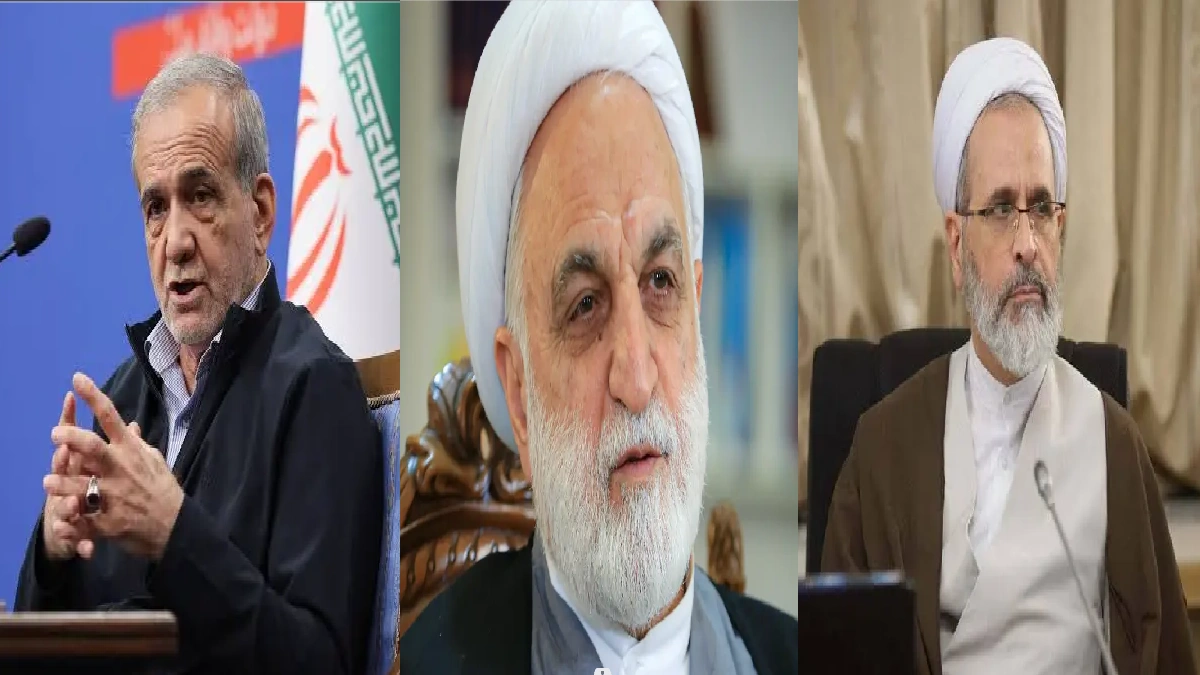
The Iran Succession Struggle has intensified following the sudden death of Ayatollah Ali Khamenei in late February 2026. Iranian state media confirmed his death on February 28 after reports emerged of a coordinated U.S.–Israeli strike targeting senior leadership in Tehran. The loss of the Supreme Leader—Iran’s highest political and religious authority—has left the country facing one of its most critical turning points since the 1979 Islamic Revolution.
Khamenei was not only a political figure but also the ultimate authority over Iran’s armed forces, foreign policy, judiciary, and religious establishment. His death has created a leadership vacuum at a time when the country is grappling with external military pressure and internal uncertainty.
Constitutional Process: How Iran Chooses a New Supreme Leader
Under Iran’s constitution, when the Supreme Leader’s position becomes vacant, an Interim Leadership Council immediately assumes temporary authority. Meanwhile, the powerful Assembly of Experts—an 88-member clerical body—is tasked with selecting a permanent successor by majority vote.
In theory, this system ensures continuity. In practice, however, the ongoing military crisis and national mourning period have complicated the timeline. The Assembly has yet to formally convene, and political divisions within the establishment could delay consensus.
Who Is Currently Leading Iran?
A three-member Interim Leadership Council was swiftly formed to stabilize governance:
- Masoud Pezeshkian—Iran’s president since 2024, known for his reformist-leaning and pragmatic approach. Though the presidency traditionally holds limited power compared to the Supreme Leader, Pezeshkian has become the public face of crisis management.
- Gholamhossein Mohseni Ejei—the Chief Justice is a longtime conservative figure within Iran’s judiciary and security apparatus. He has taken a firm stance on retaliation and internal stability.
- Alireza Arafi—A senior cleric with influence in both the Guardian Council and the Assembly of Experts, bringing religious legitimacy to the interim leadership.
While the council handles day-to-day governance, analysts suggest that real influence remains dispersed among clerical elites, security institutions, and especially the Islamic Revolutionary Guard Corps.
The Role of the IRGC and Power Brokers
The Islamic Revolutionary Guard Corps (IRGC) plays a decisive role in Iran’s power structure. Responsible for missile forces, intelligence, and regional operations, the IRGC has historically acted as a stabilizing force during national crises. Although some commanders were reportedly killed in recent strikes, the organization remains central to maintaining order and shaping succession dynamics.
Beyond the formal council, influential figures such as Ali Larijani are believed to be exerting behind-the-scenes influence. Though not officially part of the interim body, Larijani’s connections within security and clerical networks position him as a potential kingmaker in the selection process.
Iran Succession Struggle: Who Could Become the Next Supreme Leader?
Among the names circulating:
- Alireza Arafi—As a senior cleric with Assembly credentials, he is viewed as a strong contender if religious continuity is prioritized.
- Mohseni Ejei—A hardline option aligned with conservative judicial and security circles.
- Masoud Pezeshkian—Considered less likely due to his reformist leanings and lack of deep clerical standing, though influential during the transition.
Previously, speculation surrounded Mojtaba Khamenei, son of the late Supreme Leader, but hereditary succession has faced resistance within Iran’s political establishment, and recent reports suggest diminished prospects.
Experts caution that ideological divisions between hardliners, pragmatists, and reformists could prolong deliberations within the Assembly of Experts. While officials hinted at a swift appointment, ongoing conflict and internal debates may extend the timeline.
Regional and Global Implications
The Iran Succession Struggle comes at a volatile moment for the Middle East. Leadership decisions in Tehran could determine whether Iran escalates military responses, seeks diplomatic recalibration, or adopts a hybrid approach balancing confrontation and negotiation.
For neighboring countries and global powers, the outcome will influence energy markets, regional alliances, and broader geopolitical stability. With authority temporarily fragmented among the council, clerical bodies, and the IRGC, Iran’s next Supreme Leader will shape not only domestic policy but also the nation’s long-term strategic direction.
As the war’s shadow looms, the coming weeks will reveal whether Iran consolidates power smoothly—or whether fractures within its complex political system deepen during this historic transition.
FAQ: Iran Succession Struggle
1. What triggered the Iran succession struggle?
The Iran succession struggle began after the death of Supreme Leader Ayatollah Ali Khamenei, which created a leadership vacuum in the country’s highest political and religious position.
2. Who is currently leading Iran after Khamenei’s death?
Iran is currently governed by an Interim Leadership Council, including President Masoud Pezeshkian, Chief Justice Gholamhossein Mohseni Ejei, and senior cleric Alireza Arafi.
3. How does Iran choose a new Supreme Leader?
According to Iran’s constitution, the Assembly of Experts, an 88-member clerical body, is responsible for selecting the next Supreme Leader through a majority vote.
4. Who are the possible candidates to replace Khamenei?
Potential candidates discussed by analysts include Alireza Arafi, Gholamhossein Mohseni Ejei, and other influential clerical figures connected to Iran’s political and religious institutions.
5. What role does the IRGC play in the succession process?
The Islamic Revolutionary Guard Corps (IRGC) holds significant influence in Iran’s power structure and can affect political stability and leadership decisions during the transition.
6. Why is Iran’s leadership transition important globally?
Iran’s next Supreme Leader will influence Middle East geopolitics, global energy markets, and regional security, making the succession a major international issue.
7. How long could it take for Iran to appoint a new Supreme Leader?
The timeline is uncertain. While officials aim for a swift decision, political divisions and ongoing regional tensions could delay the final appointment.
Other News: US–Israel Strikes Against Iran: Latest Updates on Killing of Ayatollah Ali Khamenei
 Follow Us On Google News
  Follow Us On WhatsApp
Leave a Comment