

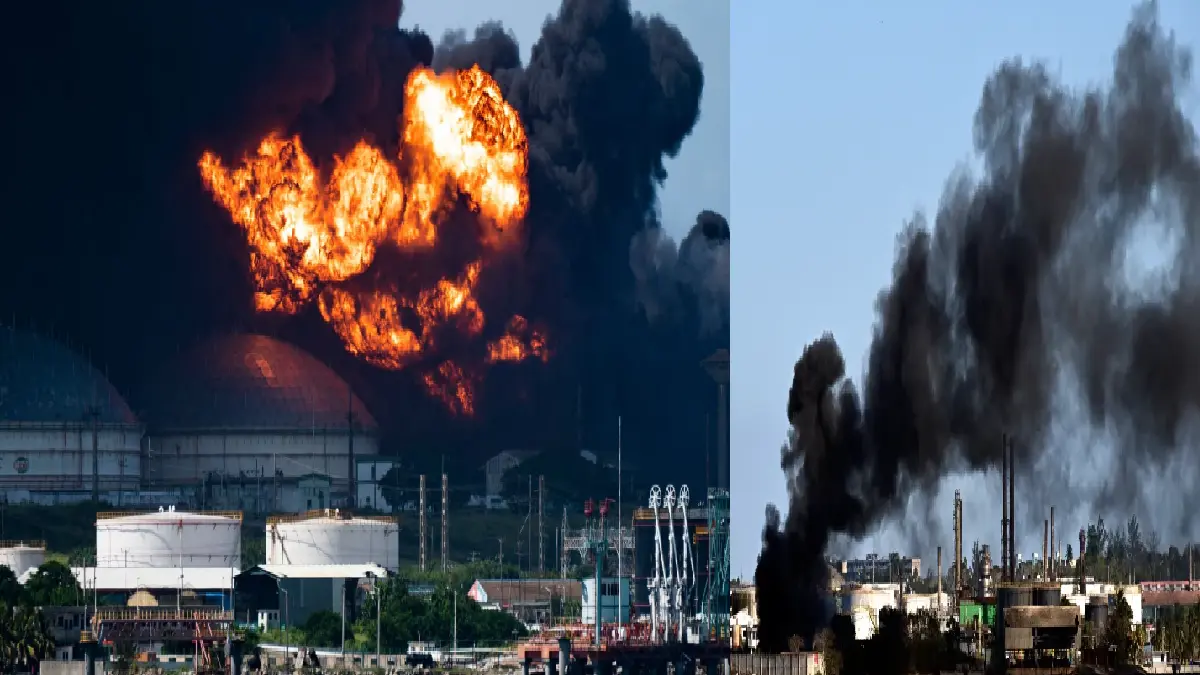
The Oil Refinery Fire in Cuba occurred at the Nico Lopez Oil Refinery in Havana on February 13, 2026, on a Friday afternoon. Thick black smoke went up high over Havana Bay; that really stood out against the sky. The site is key for Cuba’s fuel, and this just made the energy problems worse there. Cuba has been dealing with major energy shortages for a while now.
They don’t make enough oil on their own, so they import a lot of it, mostly from Venezuela in the past. But lately, those shipments from Caracas have dropped off big-time, starting mostly after the US grabbed Venezuela’s leader, Nicolas Maduro. Then they put more pressure with actions to block oil from even getting to Cuba. It seems like that change of the status quo hit hard.
Because of all this, power goes out for hours or even days. Buses and trains aren’t running as much. Even planes are grounded sometimes from the lack of jet fuel. Public workers are on four-day weeks to save energy. The UN is saying it could turn into a real humanitarian issue if nothing changes soon.
The refinery itself is old. It was built a long time ago and taken over by the government in the 1960s. Like a lot of public property in Cuba, it hasn’t gotten much money for fixes. Equipment breaks down; maintenance is spotty. That probably makes accidents more likely (and more severe when they do happen).
What Happened at the Nico Lopez Oil Refinery?
Officials from the Energy Ministry said it started in a warehouse inside the complex. Firefighters got it under control in about an hour. No one got hurt, and it didn’t touch any of the main tanks or operations. They also said things are running normally now. But people in Havana saw the huge smoke cloud from far away. Social media had pictures of trucks rushing in.
By night, they confirmed it was all good, no injuries. Still, the cause isn’t clear yet. Maybe bad equipment or just an accident, or something from the bigger problems at hand, like not enough upkeep. It’s hard to say exactly without more information.
Other Related News: U.S. Navy Relieves USS Mason Commander Chavius G. Lewis
Cuba’s Worsening Fuel and Energy Crisis
This fire matters more because of the crisis already going on. Fuel imports are significantly down this year. Sanctions and such quandaries from the US are making it tough to get oil from anywhere else. So the shortages mean blackouts everywhere, factories slowing down production, and even the water department and hospitals dealing with less power.
Infrastructure is a mess at the moment as well. Refineries and plants are outdated; no new parts are coming in because of money issues. Foreign currency is short. So yeah, situations like this are risky.
Economic and Social Impact due to Oil Refinery Fire in Cuba
Economically, it’s rough. Fuel runs everything, from lights to trucks to farms. Output drops when energy cuts hit. Tourism takes a hit too, like Air Canada stopping flights over fuel problems. That’s bad for money coming in from visitors. On the social side, people can’t get around easily.
No power means no fans or fridges in the sweltering heat. Public services like trash pickup or clean water are seeing a lot of strain too. It feels like daily life is harder on the people most of all, a factor that could build up to bigger tensions if not quelled soon.
Geopolitical Tensions and International Reactions
Geopolitically, Cuba places the blame solidly on the US for making their already fragile situation worse on purpose. They call it “punitive transgressions aimed at the regular folk.” Mexico and others say the sanctions aren’t fair and might backfire. In the end, this fire was contained quickly, with no reported deaths. But it shows how shaky Cuba’s energy setup is right now.
With shortages dragging on and outside pressures looming, even small things can mess things up a lot. Fixing it would require new oil deals, updates to old plants, and handling the people side. Not sure how easy that will be.
FAQ: Oil Refinery Fire in Cuba – Ñico López Refinery
Q1: Where and when did the oil refinery fire occur in Cuba?
A: The fire broke out on February 13, 2026, at the Ñico López Oil Refinery in Havana, Cuba. A large plume of black smoke was seen rising over Havana Bay, drawing widespread attention.
Q2: Were there any casualties in the refinery fire?
A: No injuries or fatalities were reported. Firefighters managed to bring the blaze under control relatively quickly, and the fire did not spread to critical areas such as fuel storage tanks.
Q3: How does this fire affect Cuba’s fuel and energy crisis?
A: The incident comes at a time when Cuba is already facing a severe fuel shortage. Any disruption at a key refinery risks worsening existing issues such as power outages, transportation disruptions, and shortages affecting hospitals and industries.
Q4: Why is Cuba facing fuel supply problems?
A: Cuba relies heavily on imported oil, historically from Venezuela. However, reduced shipments, U.S. sanctions, and financial constraints have significantly limited fuel availability. Aging infrastructure and maintenance challenges have further deepened the crisis.
Q5: What caused the fire?
A: According to officials, the fire started in a warehouse storing unused or obsolete materials. The exact cause is still under investigation, but aging infrastructure and maintenance issues may have contributed.
Q6: What is the economic impact of the refinery fire?
A: Fuel shortages linked to such incidents can slow industrial activity, disrupt transportation, and negatively impact tourism and agriculture. Frequent power cuts also put additional strain on daily life and public services.
Q7: How can Cuba improve its energy situation after this incident?
A: Improving the situation would require securing new oil supply agreements, upgrading refinery infrastructure, and improving maintenance. However, financial limitations and geopolitical factors make these solutions challenging to implement.
Q8: How did the international community respond to the incident?
A: The incident has drawn attention to Cuba’s broader energy crisis. Cuban authorities have pointed to external pressures such as sanctions, while some international voices have also criticized these restrictions. Overall, the fire has highlighted both domestic challenges and geopolitical tensions surrounding Cuba’s energy sector.
Other Post: U.S. Navy Relieves USS Mason Commander Chavius G. Lewis
 Follow Us On Google News
  Follow Us On WhatsApp
Leave a Comment