

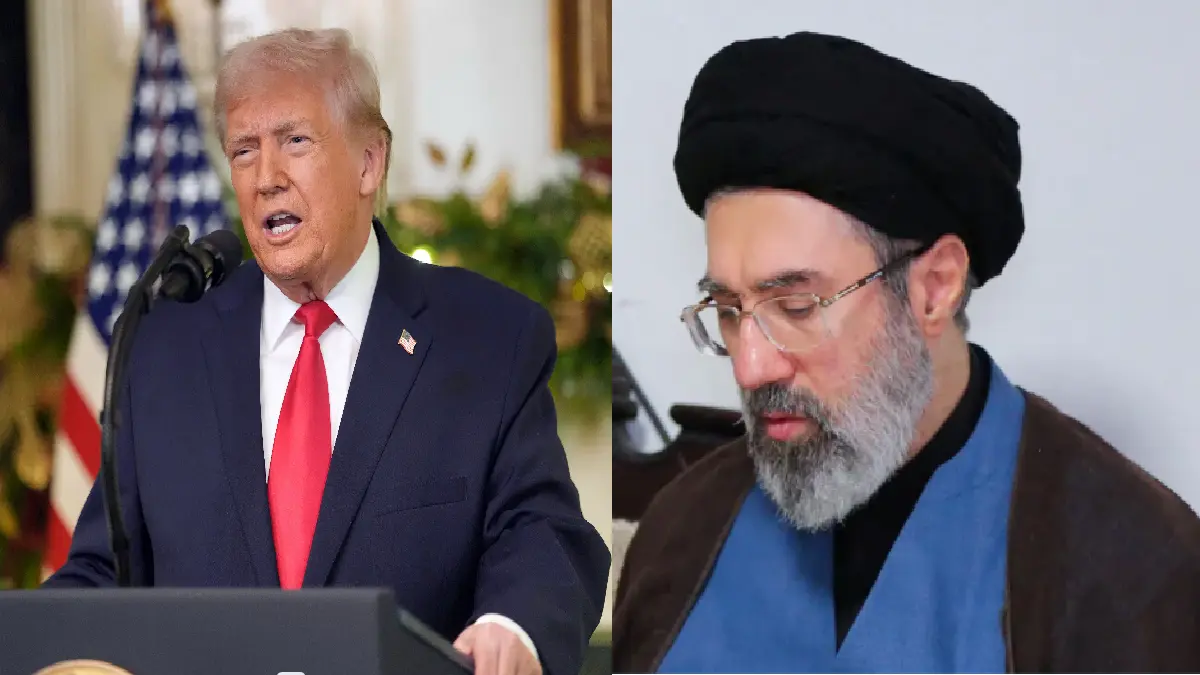
Trump Iran talks have taken centre stage as US President Donald Trump claimed that Iran is “afraid” to admit ongoing negotiations, while Tehran continues to deny any formal discussions with the United States. The ongoing conflict involving Israel, the US, and Iran has intensified regional instability, with weeks of airstrikes and missile exchanges putting the world on edge.
What Trump Is Saying About Iran Talks
Former US President Donald Trump has repeatedly stated that Iran is secretly interested in negotiations but is unwilling to admit it publicly. According to Trump, Iranian leaders fear internal backlash and appearing weak before hardliners if such talks are revealed.
Trump suggested that indirect communication channels indicate that discussions are already happening behind closed doors. He believes increasing military and economic pressure from the United States and its allies is forcing Iran into a corner, making negotiations inevitable.
Iran’s Clear Denial of Negotiations
On the other side, Iran has categorically denied these claims. Iranian Foreign Minister Abbas Araghchi stated that there are no direct or formal negotiations with the United States at this time.
While acknowledging that messages are occasionally exchanged through third-party countries, Iran insists these are not official talks. Tehran maintains that any potential negotiations under current conditions would be unfair and unacceptable.
War in the Region Complicates Diplomacy
The ongoing conflict has made diplomatic engagement extremely difficult. With tensions escalating between Iran, the US, and Israel, trust between the parties remains at an all-time low.
Airstrikes, military build-ups, and geopolitical rivalries have created an environment where even indirect communication is viewed with suspicion. This situation increases the risk of miscalculation and further escalation.
The Role of Indirect Communication
Both sides agree that indirect communication is taking place through intermediary nations. Countries like Turkey and Pakistan are reportedly acting as middlemen, passing messages between Washington and Tehran.
However, the United States views these exchanges as early signs of negotiation, while Iran dismisses them as routine diplomatic messaging rather than meaningful dialogue.
Why Iran May Deny Talks
Experts suggest several reasons why Iran might publicly deny negotiations:
- Domestic political pressure and fear of backlash
- Strategic positioning to maintain leverage
- Security concerns regarding negotiation processes
- Distrust of US intentions
These factors contribute to Iran’s firm stance despite claims from the US side.
Global Impact of the Conflict
The conflict is not just regional—it is affecting the global economy. Oil prices have surged past $100 per barrel due to fears of supply disruption.
A major concern is the Strait of Hormuz, a critical route for global oil transportation. Any disruption in this area can significantly impact fuel prices worldwide, increasing inflation and economic uncertainty.
What Happens Next?
The future remains uncertain. While the United States insists that negotiations are quietly progressing, Iran continues to deny any such developments.
Some analysts believe that talks may eventually take place, but only after increased pressure or significant changes on the ground. Others warn that mixed signals and lack of transparency could lead to dangerous misunderstandings.
Conclusion
The situation highlights the complexity of modern geopolitical conflicts, where communication itself becomes a strategic tool. Trump’s claim that Iran is “afraid” underscores the deep mistrust between both nations.
For now, the truth about Trump Iran talks remains unclear, and rising tensions continue to keep the world watching closely.
FAQs
1. Are the US and Iran currently holding official talks?
No. Iran has denied any direct negotiations, while the US claims indirect communication suggests talks may be happening.
2. What does Trump mean by Iran being “afraid”?
Trump suggests Iran wants negotiations but fears domestic backlash and appearing weak, leading it to deny talks publicly.
3. What is indirect communication in this conflict?
It refers to messages exchanged through third-party countries rather than direct diplomatic meetings.
4. Why is this conflict affecting global oil prices?
Tensions near the Strait of Hormuz raise concerns about oil supply disruptions, pushing global prices higher.
5. Could peace talks happen soon?
Possibly, but experts believe talks are unlikely until tensions ease or political conditions change.
Other Post: FIFA Rejects Iran World Cup Match Relocation Request
 Follow Us On Google News
  Follow Us On WhatsApp
Leave a Comment