

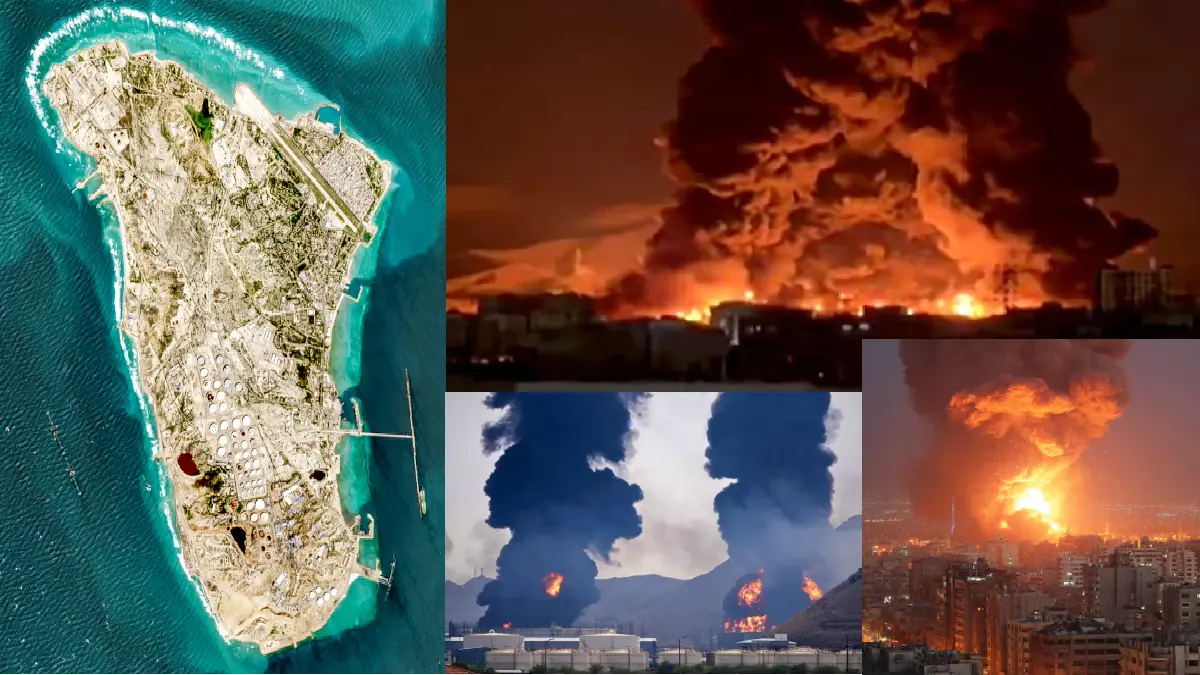
The U.S. Strike on Iran’s Oil Hub has significantly raised tensions across the Middle East after the United States targeted Iran’s key energy export location on Kharg Island. According to statements from Donald Trump, the strike focused on military installations on the island while avoiding direct damage to oil export facilities.
Kharg Island, located in the Persian Gulf, plays a critical role in Iran’s energy sector. Nearly 90 percent of Iran’s crude oil exports pass through the island, with daily shipments estimated between 1.1 and 1.7 million barrels. Much of that oil is sent to major buyers in Asia, including China and other regional markets.
Why the U.S. Strike on Iran’s Oil Hub Matters
The strategic importance of Kharg Island lies in its proximity to the Strait of Hormuz, one of the world’s most vital shipping routes. Around 20 percent of global oil supplies pass through this narrow waterway.
Security analysts warn that any disruption in this area could quickly affect global energy markets. Even the threat of instability near the Strait of Hormuz has historically caused sharp fluctuations in oil prices and raised concerns about global fuel supply.
What Happened During the Attack
According to U.S. officials, the strike targeted missile systems and command centers believed to be linked to Iranian military operations on Kharg Island. President Trump described the attack as having “obliterated” key military assets while intentionally avoiding oil storage tanks, export terminals, and pipelines.
The strike is part of the broader conflict involving the United States, Israel, and Iran, which has intensified throughout 2026. The United States has reportedly increased its military presence in the region, deploying additional naval forces and Marines to protect strategic shipping lanes and allied countries.
Why the United States Launched the Strike
Officials in Washington say the operation was intended as a response to Iranian drone and missile attacks targeting shipping routes and regional military bases. U.S. authorities accuse Iran of attempting to disrupt maritime trade in the Persian Gulf and threatening international energy supplies.
The strike appears designed to weaken Iran’s military capabilities without directly destroying its energy infrastructure. Analysts say this approach could signal an attempt to deter further attacks while avoiding a complete shutdown of Iran’s oil exports.
Iran’s Response and Threat of Retaliation
Iranian leaders have strongly condemned the attack and warned of possible retaliation against U.S. interests in the region. Officials in Tehran have suggested that energy facilities connected to the United States or its allies could become targets.
In recent months, Iranian forces and allied groups have launched drone and missile attacks on military installations in countries such as Saudi Arabia and Bahrain, where U.S. troops are stationed. The possibility of further retaliation has increased concerns about a wider regional conflict.
Possible Impact on Global Oil Markets
Energy experts warn that any serious damage to Kharg Island could remove millions of barrels of oil from global supply. Such a disruption would likely push prices higher and affect major importers including India, China, and several European countries.
Even without direct damage to oil infrastructure, fears of conflict near the Strait of Hormuz are already affecting market sentiment. Shipping companies and traders are closely monitoring the situation for potential disruptions.
A Dangerous Turning Point
The strike on Kharg Island could mark a significant escalation in the ongoing confrontation between the United States and Iran. While the U.S. avoided targeting oil facilities directly, the attack on such a strategic location signals that critical infrastructure could become part of the conflict.
With military forces increasing their presence in the region and threats of retaliation growing, analysts warn that the situation could quickly evolve into a broader regional crisis affecting both security and global energy markets.
FAQ:
1. What happened during the U.S. strike on Iran’s Kharg Island?
The United States carried out a strike targeting military facilities on Kharg Island, a key oil export hub in Iran. According to statements from Donald Trump, the operation focused on missile systems and command centers while avoiding direct damage to oil infrastructure.
2. Why is Kharg Island important to Iran’s economy?
Kharg Island handles a large share of Iran’s crude oil exports. Energy analysts estimate that nearly 90% of the country’s oil shipments pass through the island before being transported to global markets.
3. How could the strike affect global oil prices?
The attack has raised concerns about stability in the Persian Gulf region. Any disruption near the Strait of Hormuz could affect global oil supply, potentially pushing energy prices higher.
4. Why did the United States launch the strike on Kharg Island?
U.S. officials say the strike was a response to alleged Iranian drone and missile attacks targeting shipping routes and military bases in the region. The goal was to weaken Iran’s military capabilities without destroying its oil export facilities.
5. How has Iran responded to the U.S. strike?
Leaders in Tehran condemned the attack and warned that retaliation against U.S. interests or allied facilities in the region could follow if tensions continue to escalate.
6. Could the conflict spread across the Middle East?
Security experts warn that escalating tensions between Iran and the United States could draw other regional powers into the conflict, especially if strategic energy routes or military bases are targeted.
7. Why is the Strait of Hormuz strategically important?
The Strait of Hormuz is one of the world’s most critical shipping lanes, carrying roughly 20% of global oil supplies. Any disruption in this narrow passage could affect international trade and energy markets.
Other News: Explosions Rock Tehran During Quds Day Rally, Raising Fears of Wider War
 Follow Us On Google News
  Follow Us On WhatsApp
Leave a Comment