

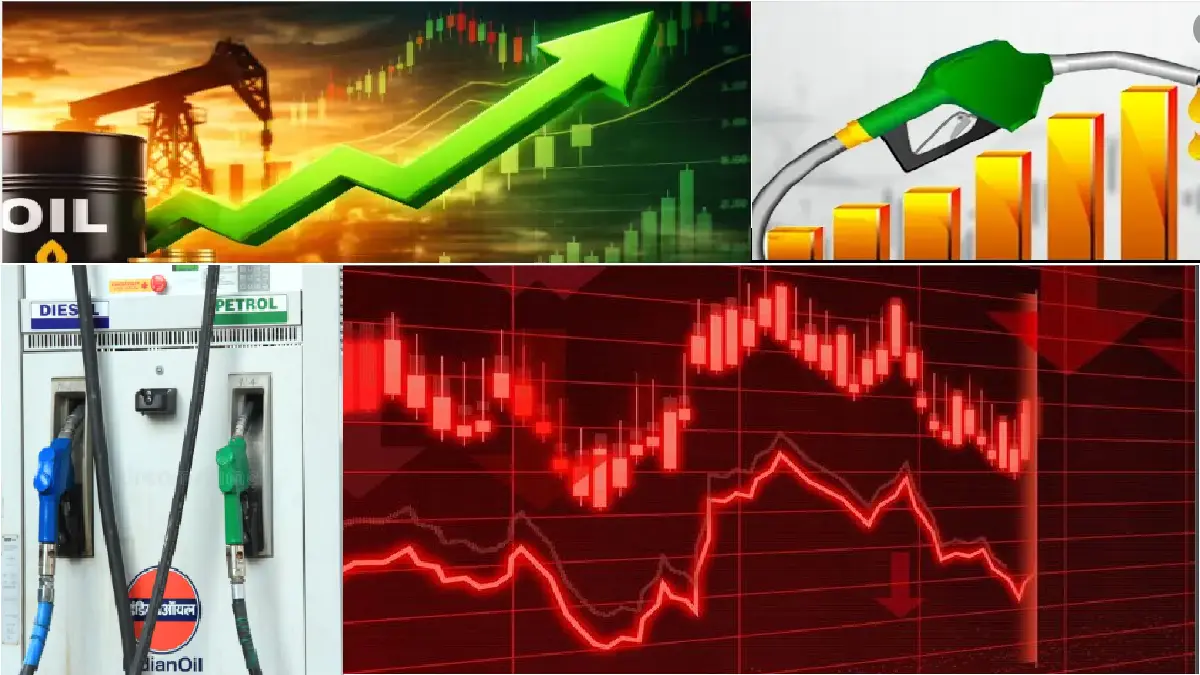
The US–Iran War 2026 global markets crisis is being felt far beyond the Middle East, as rising tensions between the United States and Iran continue to shake the global economy. What began as a regional conflict has now triggered sharp increases in oil prices, disrupted international trade, and created uncertainty across stock markets worldwide.
US–Iran War 2026 Global Impact on Energy Markets
Energy supply has emerged as the biggest concern in the ongoing crisis. The Strait of Hormuz—a critical passage for nearly 20% of the world’s oil—has become a focal point of tension.
Threats to shipping routes and disruptions in tanker movement have raised fears of supply shortages, causing a ripple effect across global economies.
Oil Prices Surge Amid Supply Disruptions
Global oil prices have surged dramatically since the conflict escalated. Brent crude has crossed the $100 per barrel mark, with analysts warning of further increases if disruptions continue.
Attacks on oil fields, ports, and infrastructure have reduced production and slowed transportation, making this one of the most significant energy disruptions in recent years.
Fuel Prices Hit Consumers Worldwide
The rise in oil prices is directly impacting consumers. Fuel costs have increased sharply, affecting transportation, agriculture, and daily goods.
Higher diesel and petrol prices are pushing up the cost of food and essential commodities, placing additional pressure on households and businesses globally.
Stock Markets Show Volatility
Global stock markets are reacting with uncertainty to the crisis. Markets in Europe and Asia, heavily dependent on energy imports, have seen declines, while energy companies have recorded gains due to rising oil prices.
Sectors such as aviation and shipping are under pressure as higher fuel costs reduce profitability, adding to market instability.
Global Trade Slows as Risks Increase
The conflict is also disrupting global trade routes. Shipping through the Middle East has become increasingly risky, with some ports facing temporary shutdowns due to security concerns.
Countries dependent on imports are experiencing delays, rising costs, and in some cases, energy shortages, which could slow economic growth.
Winners and Losers in the Crisis
The crisis has created an uneven economic landscape:
- Oil-exporting nations and energy companies are benefiting from higher prices
- Countries reliant on imports, including India and Japan, are facing rising costs
- Industries like aviation, logistics, and agriculture are under increasing financial strain
Government Responses and Emergency Measures
Governments and international organizations are taking steps to stabilize the situation. The International Energy Agency has released oil reserves to ease supply pressures, while efforts are underway to secure shipping routes and boost alternative production.
However, experts warn that these measures may only provide temporary relief if the conflict continues.
Rising Inflation and Economic Risks
Economists are increasingly concerned about inflation as energy prices rise. Higher costs for businesses are being passed on to consumers, reducing purchasing power and slowing demand.
There are growing fears that prolonged conflict could lead to stagflation—a combination of high inflation and slow economic growth.
What Happens Next Due to the US–Iran War 2026?
The future of global markets largely depends on how long the conflict lasts. A short-term escalation may see prices stabilize, but a prolonged war could push the global economy toward recession.
Even if tensions ease soon, analysts warn that the economic impact could be felt for years.
Conclusion
The US–Iran war global impact highlights how interconnected the world economy has become. From rising fuel prices to disrupted trade and volatile markets, the effects are being felt globally.
As the conflict continues, governments, businesses, and consumers face growing uncertainty in an increasingly fragile economic environment.
Frequently Asked Questions (FAQs)
Q1. How is the US–Iran war affecting global markets in 2026?
The conflict is causing oil prices to rise, disrupting trade, and creating instability in stock markets.
Q2. Why are oil prices rising during the US–Iran war?
Supply disruptions and threats to key routes like the Strait of Hormuz are pushing oil prices higher.
Q3. What is the impact of rising oil prices on consumers?
Higher fuel costs are increasing the prices of food, transport, and daily goods.
Q4. How are stock markets reacting to the US–Iran conflict?
Markets are volatile, with declines in some sectors and gains in energy companies.
Q5. Which industries are most affected by the crisis?
Aviation, shipping, logistics, and agriculture are facing higher costs and reduced profits.
Q6. How is global trade being affected?
Shipping routes are becoming risky, causing delays, higher costs, and supply issues.
Q7. Which countries are most impacted by rising oil prices?
Oil-importing countries like India and Japan are facing increased economic pressure.
Q8. What actions are governments taking to control the crisis?
They are releasing oil reserves, securing trade routes, and exploring alternative energy sources.
Q9. Could this crisis lead to a global recession?
Yes, a prolonged conflict could slow economic growth and increase recession risks.
Q10. What is stagflation and why is it a concern?
Stagflation is when inflation rises while economic growth slows, which can harm economies.
Other News: US Embassy Baghdad Attack: Drone Strikes Escalate Tensions Across Iraq
U.S. Strike on Iran’s Oil Hub at Kharg Island Escalates Middle East Conflict
 Follow Us On Google News
  Follow Us On WhatsApp
Leave a Comment