

What is NATO? How Many Member Nations In This
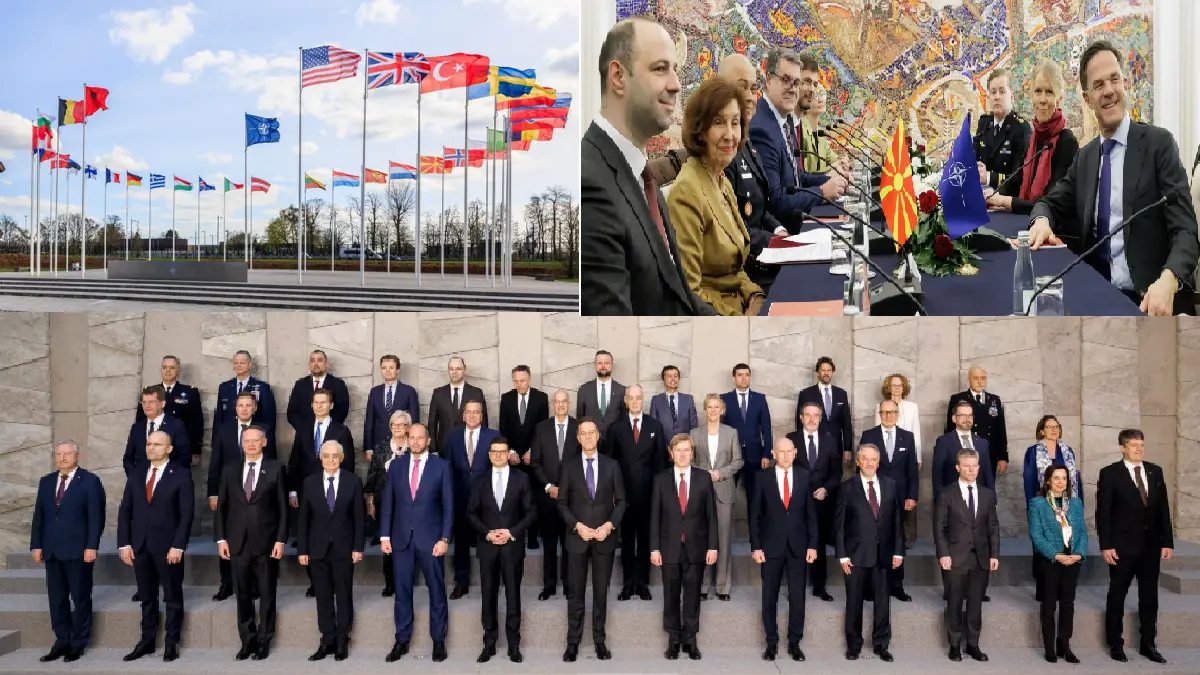
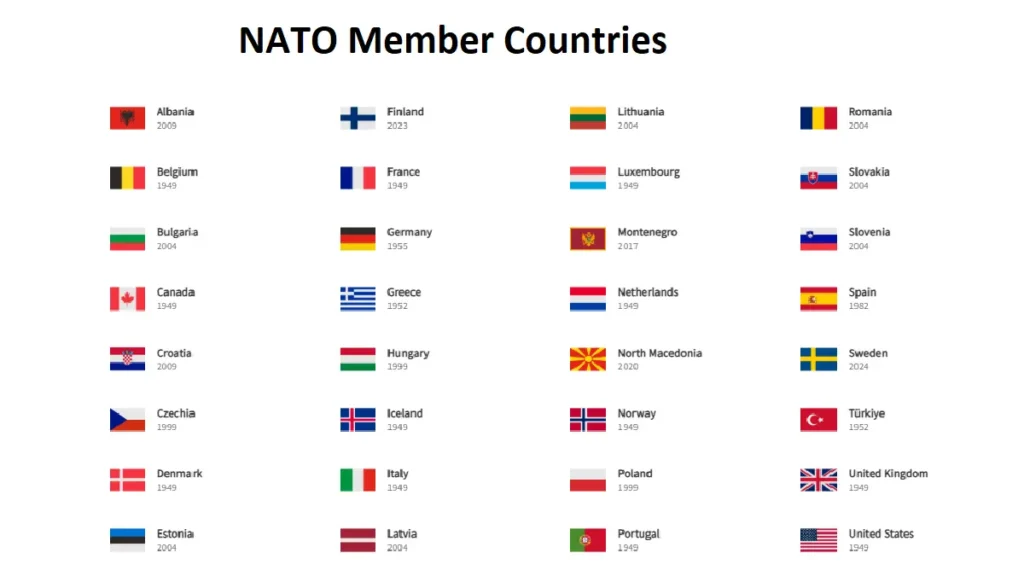
The North Atlantic Treaty Organization (NATO) is one of the most powerful military alliances in the world, bringing together countries from North America and Europe to cooperate on defense and security. Today, NATO has 32 member nations, all committed to protecting each other under a collective defense agreement. Originally formed in 1949 with just 12 founding members, the alliance has grown over the decades and continues to play a major role in global politics and international security.
The organization was created in the aftermath of World War II, when Western nations sought a united front to ensure stability and prevent further military aggression in Europe.
Why NATO Was Created
The foundation of NATO lies in Article 5 of the North Atlantic Treaty, which states that an attack on one member is considered an attack on all members. This principle of collective defense was designed to deter potential aggressors and ensure that allied countries would stand together in times of crisis.
When NATO was established in 1949, its founding members included the United States, United Kingdom, Canada, France, Italy, Norway, Belgium, the Netherlands, Luxembourg, Denmark, Portugal, and Iceland.
The alliance was largely formed to counter the growing influence of the Soviet Union during the early years of the Cold War. NATO served as the Western bloc’s military partnership, while the Soviet Union and its allies formed the Warsaw Pact in response.
For decades, NATO played a central role in maintaining balance between these rival alliances, helping prevent direct conflict between the two sides.
NATO After the Cold War
When the Soviet Union collapsed in 1991, many analysts questioned whether NATO would still be necessary. However, the alliance adapted to a changing global environment rather than dissolving.
During the 1990s, NATO took part in peacekeeping missions in the Balkans, helping stabilize the region after a series of violent conflicts. Later, after the September 11 attacks in 2001, NATO invoked Article 5 for the first time in its history and supported the international military mission in Afghanistan.
Over time, the alliance expanded its responsibilities beyond traditional warfare to include areas such as:
- Counterterrorism operations
- Cybersecurity defense
- Crisis management
- Military cooperation and training
These efforts allowed NATO to remain relevant in an increasingly complex security environment.
NATO Expansion and New Members
Another major development in NATO’s history has been its expansion. From its original 12 member countries, the alliance gradually welcomed new nations, especially after the Cold War ended.
Countries in Central and Eastern Europe, including Poland, Hungary, and the Czech Republic, joined NATO in the late 1990s. Over the following decades, more nations entered the alliance, expanding NATO’s presence across Europe.
Recent geopolitical tensions have accelerated this expansion. Following Russia’s invasion of Ukraine in 2022, several countries reassessed their security policies.
As a result:
- Finland joined NATO in 2023
- Sweden officially became a member in 2024
These additions strengthened NATO’s presence in Northern Europe and significantly expanded the alliance’s border with Russia.
NATO’s Role in Today’s Global Politics
Today, NATO remains one of the most influential military organizations in the world. The alliance includes many of the world’s most advanced militaries, particularly those of the United States and major European nations.
NATO’s current priorities include:
- Deterring military aggression near its eastern borders
- Strengthening collective defense capabilities
- Increasing defense spending among member countries
- Preparing for new security threats such as cyberattacks and hybrid warfare
Hybrid warfare refers to strategies that combine traditional military tactics with cyber operations, misinformation campaigns, and economic pressure.
Because of these evolving threats, NATO continues to conduct large-scale military exercises and joint training programs across member countries.
NATO Activities in Recent News
NATO frequently appears in global headlines as member states coordinate defense strategies and military operations.
Recent reports highlight several developments involving the alliance, including:
- Large-scale military exercises in the Arctic, involving approximately 25,000 troops from multiple NATO countries. These drills are designed to improve readiness in extreme environments.
- Swedish fighter jets patrolling Icelandic airspace, demonstrating the alliance’s ability to protect strategic northern regions.
- Finland reviewing policies related to hosting nuclear weapons, a move connected to NATO’s broader defense strategy.
- Turkey using NATO defense systems to intercept a missile over the Mediterranean, reflecting the alliance’s involvement in monitoring regional security threats.
Such activities demonstrate how NATO continues to operate across multiple regions and security challenges.
Criticism and Debate Around NATO
Despite its long history, NATO has also faced criticism and debate.
Some analysts argue that the alliance’s expansion toward Eastern Europe has increased tensions with Russia and contributed to geopolitical rivalries. Others question whether all member states contribute equally to defense spending and military responsibilities.
Supporters of NATO, however, argue that the alliance has been crucial in deterring major wars and promoting cooperation among democratic nations. They point out that collective defense helps maintain stability in regions where security threats remain high.
These debates often surface during NATO summits, where member countries discuss strategy, spending, and future priorities.
Why NATO Still Matters Today
More than 75 years after its creation, NATO remains a central player in international security. As global tensions rise and new types of warfare emerge, the alliance continues to adapt its strategies and strengthen cooperation among member nations.
By providing a framework for collective defense, military coordination, and crisis response, NATO plays a key role in shaping global politics today. While challenges and debates about its future continue, the alliance remains one of the most significant security partnerships in modern history.
FAQ: What Is NATO and How Does It Influence Global Politics?
1. What is NATO and what does it stand for?
NATO stands for the North Atlantic Treaty Organization, a military alliance formed in 1949 to promote collective defense and security cooperation between North American and European countries.
2. How many member countries are in NATO?
As of 2024, NATO has 32 member nations. The alliance started with 12 founding members and gradually expanded, with Finland joining in 2023 and Sweden becoming a member in 2024.
3. What is the main purpose of NATO?
The main purpose of NATO is collective defense. Under Article 5 of the North Atlantic Treaty, an attack on one NATO member is considered an attack on all members, ensuring mutual protection among allied countries.
4. Why was NATO created after World War II?
NATO was created in 1949 to strengthen cooperation among Western nations and counter the growing influence of the Soviet Union during the Cold War. The alliance helped maintain stability and security in Europe.
5. What role does NATO play in global politics today?
Today, NATO plays a major role in international security, military cooperation, crisis management, and cybersecurity defense. The alliance also conducts joint military exercises and coordinates defense strategies among member states.
6. Which countries recently joined NATO?
The most recent additions to NATO are Finland (2023) and Sweden (2024). Their membership expanded NATO’s presence in Northern Europe and increased the alliance’s border with Russia.
7. Has NATO ever used Article 5 of its treaty?
Yes. Article 5 was invoked for the first time after the September 11 attacks in 2001, when NATO members supported the United States in responding to the terrorist attacks.
8. Why is NATO sometimes criticized?
Some critics argue that NATO expansion toward Eastern Europe has increased tensions with Russia. Others believe that not all member countries contribute equally to defense spending within the alliance.
9. Why does NATO still matter today?
NATO remains important because it provides a framework for collective defense, military cooperation, and crisis response. As global security threats evolve, the alliance continues adapting to new challenges such as cyber warfare and hybrid threats.
Other Post: Tom Cruise Biography: Age, Movies, Net Worth, Wife, Children & Career
 Follow Us On Google News
  Follow Us On WhatsApp
Leave a Comment